
|
THE 30-SECOND VERSION |
|
Acrylic: choose it for inventory storage, sunlight, or a clean seal that ages well. Hot melt: choose it for rough recycled corrugate, dust, or high-speed case sealing. Heavy cartons: tape width, backing strength, H-seals, or reinforced tape may matter more. Best practice: test on the actual box, at the actual temperature, with the actual dispenser or tape head. |
The Difference That Matters on the Line
Both products are pressure-sensitive carton-sealing tapes, so the bond depends on contact pressure. A tape that feels sticky can fail if the tape head is misadjusted, the operator skips wipe-down, or the box is dusty. Many tape complaints are really application, carton, or route problems.
Hot melt tape is built for fast grab. It wets into rough fibers quickly, so it often performs well on recycled kraft cartons, busy pack stations, and semi-automatic case sealers. The tradeoff is that some grades are less forgiving during long storage, UV exposure, or heat cycling.
Acrylic tape usually builds bond more gradually, but it is known for aging stability, clarity, and resistance to yellowing. It is a strong candidate when cartons sit for weeks, move through mixed climates, or need clean presentation. Grade still matters; do not assume any acrylic tape beats every hot melt tape.
Quick Comparison Chart
|
Decision Factor |
Acrylic Tape |
Hot Melt Tape |
Why It Matters |
|
Initial grab |
Moderate; improves with dwell time |
Strong immediate tack |
Fast lines need a seal before the carton leaves the station. |
|
Storage and aging |
Usually strong for long storage and UV |
Good for short turns; grade varies |
Spare parts, records, and seasonal stock may sit longer than expected. |
|
Recycled corrugate |
Works best on cleaner surfaces |
Often better on rough fibers |
Recycled boxes can be dusty, porous, or inconsistent. |
|
Heat, cold, sunlight |
Often steadier across aging and light exposure |
Check heat and cold rating carefully |
Docks, trailers, and mezzanines create real temperature swings. |
Match the Tape to the Scenario
|
Real-World Situation |
First Tape to Test |
Decision Logic |
|
Clean cartons stored 30+ days |
Acrylic |
Longer dwell time and storage stability matter more than instant bite. |
|
High-speed sealing on recycled kraft |
Hot melt |
Aggressive tack helps when fiber quality and line speed vary. |
|
Cold dock or freezer-adjacent work |
Test both by grade |
Application temperature is different from storage temperature; test where tape is applied. |
|
Heavy or overfilled cartons |
Upgrade the closure |
Use stronger backing, wider tape, an H-seal, or reinforced tape before blaming adhesive chemistry. |
|
Customer-facing clear packages |
Acrylic |
Clarity and long-term appearance can reduce rework and complaints. |
|
KEY TAKEAWAY |
|
Acrylic is not automatically the premium answer, and hot melt is not automatically the budget answer. The right tape is the one that keeps the box closed after your surface, pressure, route, and storage conditions have had their say. |
A Three-Step Field Test Before You Standardize
Do not approve a tape from a sample strip on a desk. Desk tests miss flap tension, dust, recycled fiber, case-sealer pressure, and carton behavior after stacking. A short field test prevents buying a pallet of tape that only worked in theory.
|
Step |
What to Do |
What It Tells You |
|
1. Apply like production |
Use the same box, tape width, dispenser, tape head, and operator pace. |
Separates tape performance from poor pressure or equipment setup. |
|
2. Wait, then stress |
Inspect at 30 minutes and 24 hours; add cold, heat, stacking, or drop handling. |
Shows whether the seal improves, creeps, lifts, or pops under real route conditions. |
|
3. Read the failure |
Look for adhesive lift, fiber tear, film split, or flap spring-back. |
Points to adhesive mismatch, weak board, backing strength, or carton design. |
|
QUICK TIP If tape lifts cleanly from the box, test a different adhesive or increase application pressure. If box fibers tear, the adhesive is probably bonding and the carton or closure pattern may be the limit. |
COMMON MISTAKE Buying by mil thickness alone. Thickness is easy to compare, but it does not show peel adhesion, shear, unwind, backing strength, or case-sealer fit. |
|
DID YOU KNOW? |
|
A two-tape standard can be smarter than forcing one tape everywhere. Some facilities use hot melt for high-turn outbound cartons and acrylic for kits, records, samples, or seasonal inventory that may sit longer. |
FAQ
Is acrylic tape stronger than hot melt? Not automatically. Strength depends on the full construction and the box. Acrylic often wins on aging and appearance; hot melt often wins on immediate grab.
Which is better for cold storage? Test the grade at the actual application temperature. Tape applied warm and stored cold is different from tape applied on a cold box at a winter dock.
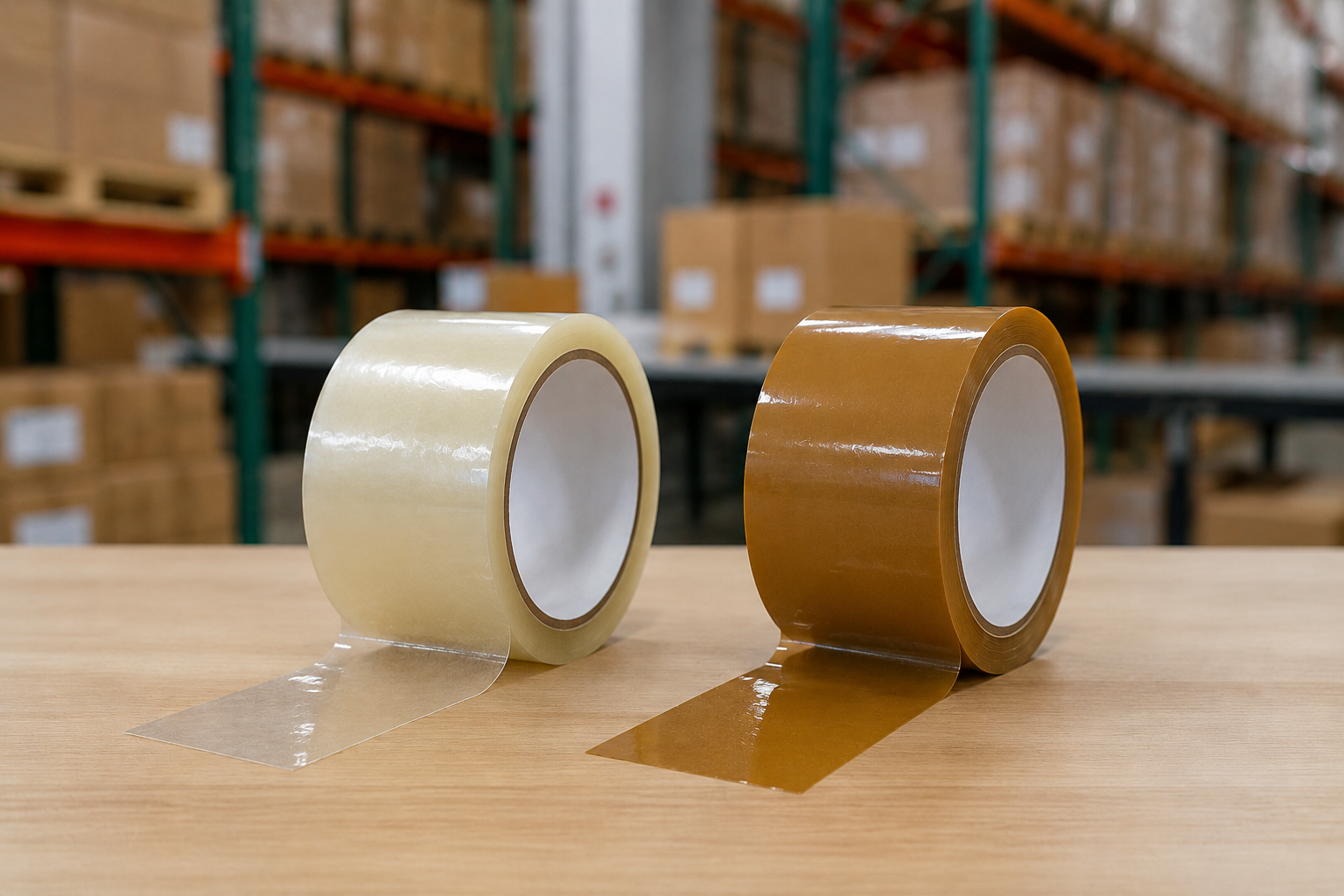
Does clear tape mean acrylic and tan tape mean hot melt? No. Color is not reliable. Ask for adhesive type, backing, thickness, tensile strength, temperature guidance, and machine compatibility.
When should you consider something beyond either tape? Use reinforced tape, water-activated tape, wider tape, or an H-seal when cartons are heavy, valuable, tamper-sensitive, or popping at flap ends.
Bottom Line
Choose acrylic when long-term hold, UV exposure, storage stability, cold-service consistency, or clean appearance drives the risk. Choose hot melt when fast initial tack, rough recycled corrugate, and high-throughput sealing drive the risk. If seams still pop, read the failure before changing tape: the fix may be pressure, box design, tape width, or closure pattern. The best tape decision keeps product moving without repacks, claims, or avoidable surprises at receiving.
Explore Tapes
Share:
How to Choose the Right Food Storage Container for Your Business
How Temperature Affects Packaging Tape Performance: Choosing the Right Tape for Hot and Cold Conditions