
|
THE 30-SECOND VERSION |
• ANSI A1–A9 measures cut resistance.
• Higher isn't always better.
• Choose gloves based on the hazard.
• Fit and comfort improve compliance.
|
Why ANSI Ratings Matter |
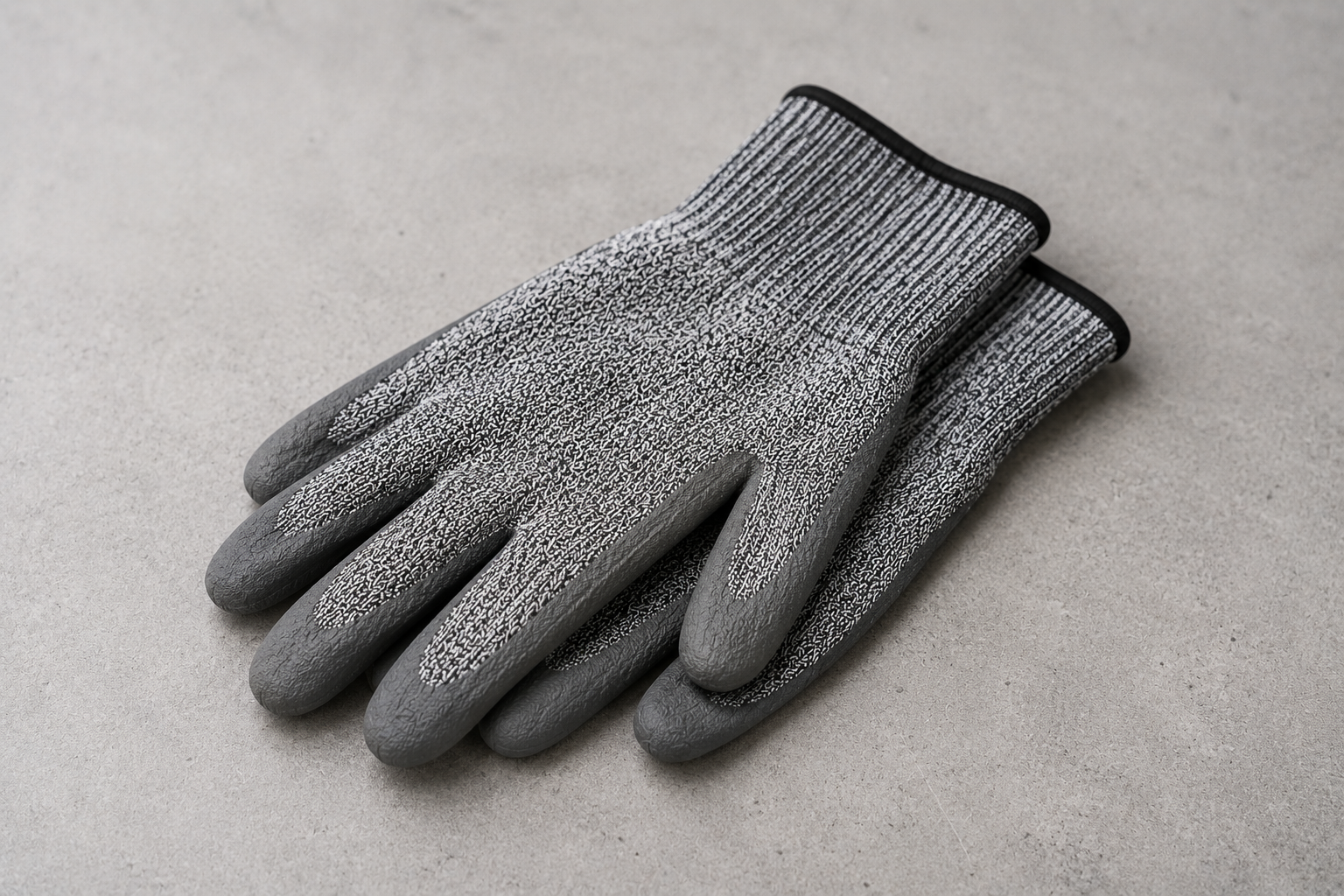
ANSI cut ratings provide a standardized method for comparing glove performance. They help safety managers and purchasing professionals select gloves that provide appropriate protection without sacrificing unnecessary comfort or dexterity.
Matching gloves to the task instead of automatically buying the highest rating helps improve productivity while reducing costs.
|
ANSI Guide |
|
Level |
Typical Jobs |
Protection |
|
A1-A2 |
Light handling |
Low |
|
A3-A4 |
Warehouse, maintenance |
Moderate |
|
A5-A6 |
Glass, metal |
High |
|
A7-A9 |
Heavy industrial |
Maximum |
|
Understanding the Levels |
||
A1 and A2 work well for light hazards. A3 and A4 are common across manufacturing and warehousing. A5 and A6 are popular where sheet metal and glass are handled. A7 through A9 are reserved for severe cut hazards where maximum protection is required.
|
Quick Selection Checklist |
✓ Identify the hazard.
✓ Choose the appropriate ANSI level.
✓ Ensure proper fit.
✓ Inspect before use.
✓ Replace worn gloves.
|
Common Mistake |
Selecting the highest ANSI level for every application can reduce dexterity and increase costs without improving safety for lower-risk tasks.
|
Did You Know? |
ANSI cut ratings measure cut resistance only. Heat, puncture, impact, and chemical protection are separate performance characteristics.
|
Key Takeaway |
The best cut-resistant glove balances protection, comfort, dexterity, and durability.
|
Conclusion |
Understanding ANSI A1–A9 ratings helps organizations make informed purchasing decisions and provide workers with protection that matches real workplace hazards.
Explore Gloves
Share:
Preventing Slips, Trips & Falls in Industrial Facilities
Different Types of Work Gloves Explained