
|
THE 30-SECOND VERSION |
· Respirators are selected based on the airborne hazard—not personal preference.
· A proper fit is just as important as the filter itself.
· Disposable respirators work well for many dust applications, while reusable respirators offer flexibility for recurring work.
· Inspect, store, and replace respirators according to manufacturer guidance.
|
Why Respirators Matter |
Respiratory hazards are common in manufacturing, construction, maintenance, warehousing, painting, and facility operations. Dust, welding fumes, chemical vapors, mists, and airborne particles can all present risks that are not always visible.
Choosing the correct respirator helps reduce exposure to airborne contaminants, supports worker health, and helps organizations maintain safer operations. The right choice starts with understanding the hazard rather than selecting the most expensive option.
|
Start with the Hazard |
Before selecting a respirator, identify what workers are breathing. Common categories include nuisance dust, silica dust, metal fumes, paint vapors, solvent vapors, and biological particles. Different contaminants require different filtration methods or cartridges.
|
Comparison Guide |
|
Respirator |
Best For |
Notes |
|
Disposable (N95) |
Dust and non-oil particles |
Lightweight, single-use |
|
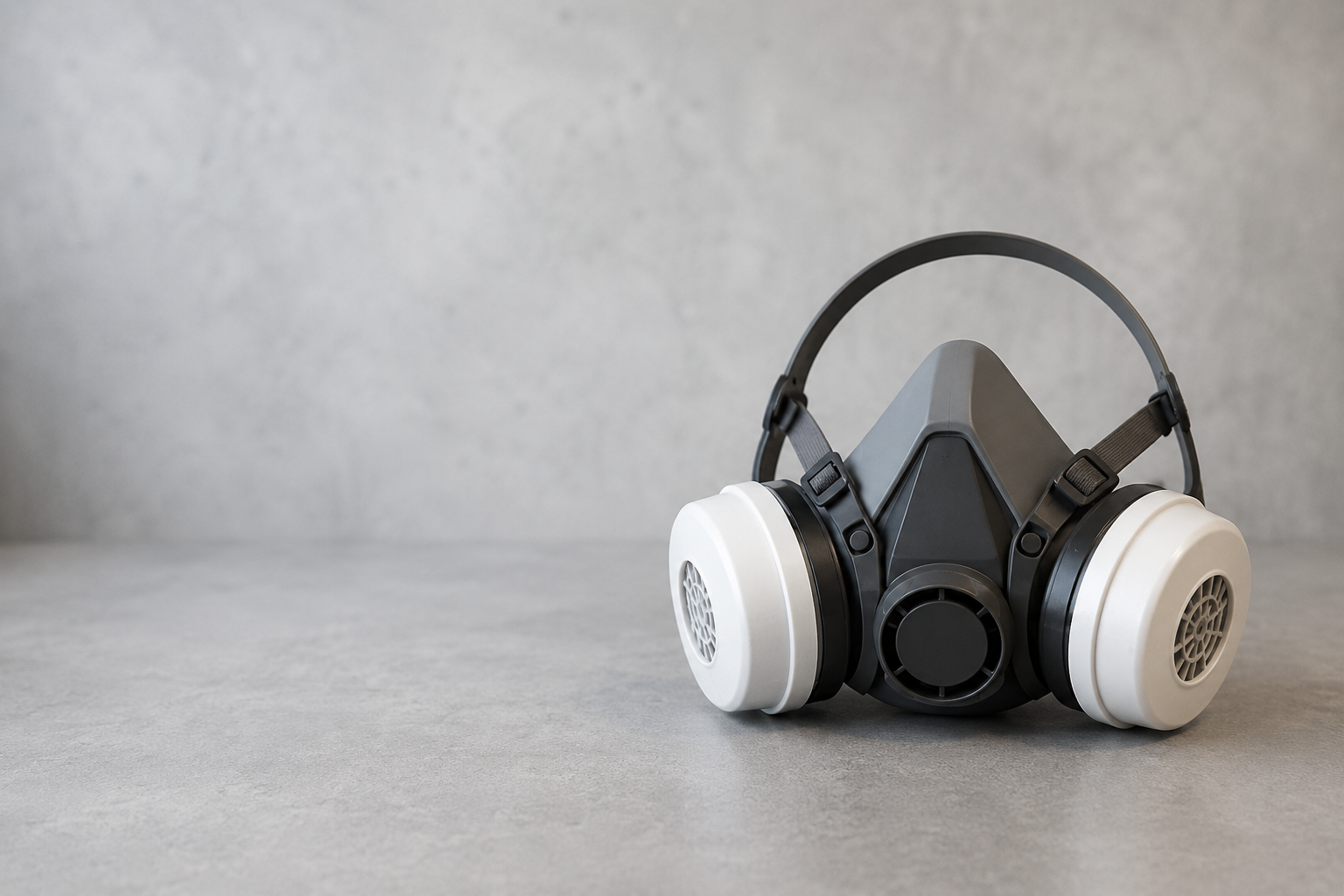
Half-mask reusable |
Frequent work |
Uses replaceable cartridges |
|
Full-face reusable |
Higher exposure |
Adds eye protection |
|
How to Choose |
||
· Identify the airborne contaminant.
· Determine exposure level and workplace requirements.
· Select an approved respirator designed for that hazard.
· Ensure the respirator fits correctly.
· Train users on inspection, use, storage, and replacement.
|
Quick Tip |
Facial hair that crosses the sealing surface can prevent many tight-fitting respirators from providing an effective seal.
|
Common Mistake |
Using the same respirator for every task. Dust masks are not appropriate for chemical vapors, and expired cartridges should never be relied upon.
|
Did You Know? |
NIOSH-approved respirators are tested to meet specific performance standards. Always verify approval markings before purchasing or using respiratory protection.
|
Key Takeaway |
Effective respiratory protection depends on matching the respirator to the hazard, achieving a proper fit, and maintaining the equipment throughout its service life.
|
Conclusion |
Respirators are an important part of a workplace safety program, but they are only effective when chosen and used correctly. Understanding the hazard, selecting the appropriate respirator, ensuring a proper fit, and following maintenance guidance helps organizations protect employees while making informed purchasing decisions. Investing time in proper selection reduces risk, improves comfort, and supports long-term safety performance.
Explore Respirators
Share:
N95 vs. P95 vs. P100 Respirators: Understanding the Differences
Traffic Cones 101: Choosing the Right Height, Weight, and Material