
THE 30-SECOND VERSION
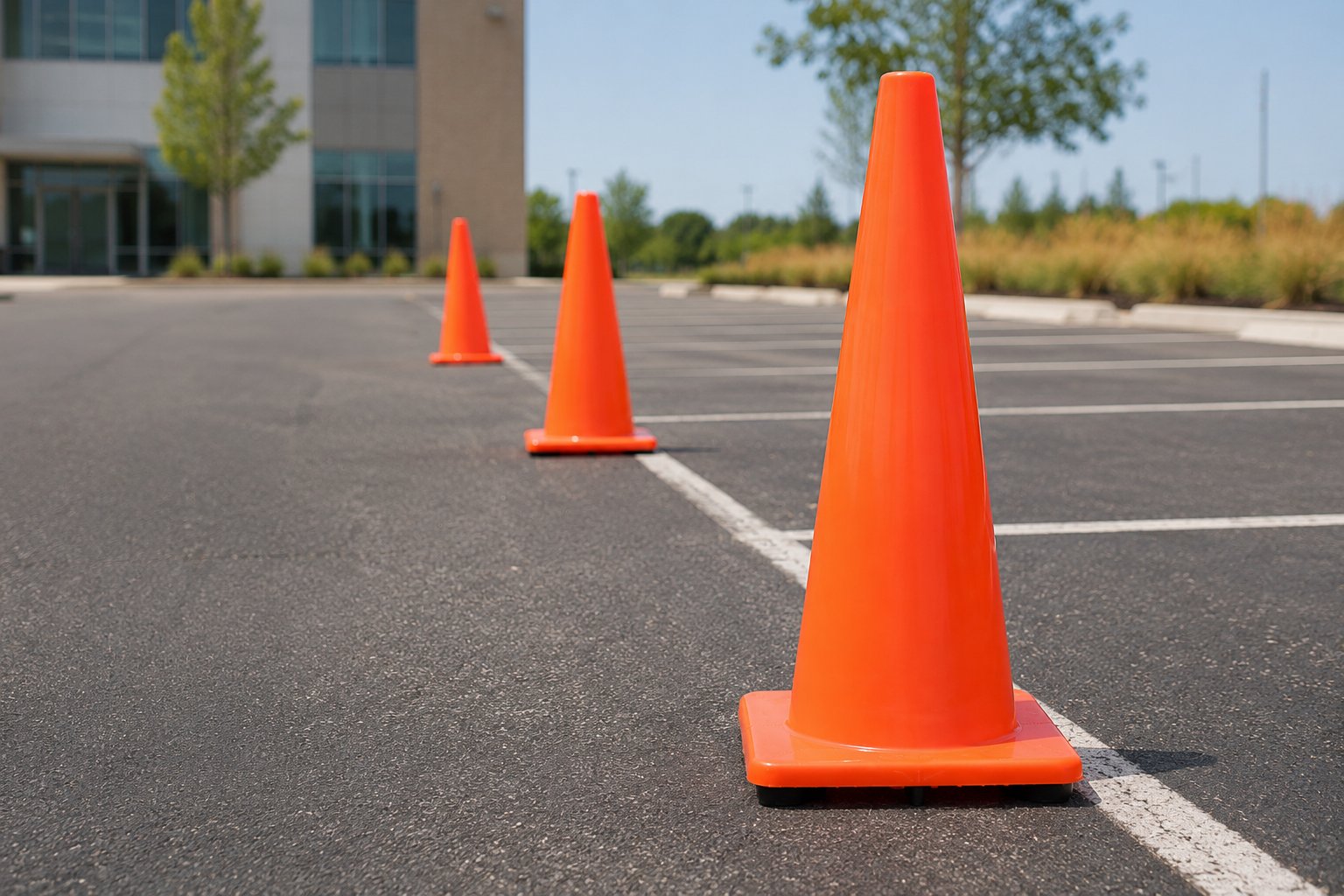
· 18-inch cones are best for low-speed indoor or parking applications.
· 28-inch cones are the standard choice for most roadway and construction work.
· 36-inch cones provide maximum visibility for high-speed traffic.
· Heavier bases resist tipping in wind and vehicle turbulence.
· Reflective collars improve nighttime visibility and may be required in some work zones.
Why Traffic Cone Selection Matters
Traffic cones help direct vehicles, protect workers, and communicate temporary hazards. Choosing the wrong size or weight can reduce visibility or allow cones to blow over, creating confusion instead of improving safety.
Rather than buying a single style for every situation, match the cone to traffic speed, work duration, weather conditions, and visibility requirements.
Quick Comparison Guide
|
Height |
Best For |
Visibility |
Typical Use |
|
18 in |
Indoor |
Good |
Warehouses, parking |
|
28 in |
Excellent all-around |
High |
Construction, utilities |
|
36 in |
Outdoor |
Very High |
High-speed roads |
How to Choose
Height: Use taller cones as vehicle speeds increase because they remain visible from farther away.
Base Weight: Weighted rubber bases improve stability during wind, rain, and passing traffic.
Material: Flexible PVC resists cracking and returns to shape after impacts better than rigid plastics.
Reflective Collars: Essential for low-light work and often required for nighttime traffic control.
Common Mistake
Using lightweight cones outdoors because they cost less. Wind and vehicle drafts can quickly knock them over, reducing visibility and creating additional hazards. Select an appropriately weighted cone for outdoor environments.
Buying Checklist
✓ Expected traffic speed
✓ Indoor or outdoor use
✓ Daytime only or nighttime
✓ Need for reflective collars
✓ Expected weather conditions
✓ Storage and transport requirements
Key Takeaway
The best traffic cone is the one that matches the environment. Consider visibility, stability, and durability together rather than focusing only on price.
Conclusion
Traffic cones may seem straightforward, but selecting the proper height, weight, and material can significantly improve safety and worksite organization. By evaluating where and how cones will be used, facilities and contractors can make purchasing decisions that improve visibility, reduce maintenance, and support safer operations over the long term.
Additional guidance: Review local regulations and site-specific requirements before purchasing. Standardizing cone types across facilities can simplify training, inspections, and replacement inventory. Inspect cones regularly for fading, cracking, damaged collars, or loose bases, and replace worn products promptly.
Explore Traffic
Share:
Respirators 101: How to Choose the Right Respiratory Protection
Understanding Stretch Film Gauge, Microns, and Performance Ratings