
THE 30-SECOND VERSION
· ✓ Inspect first aid kits at least monthly.
· ✓ Restock immediately after any use.
· ✓ Replace expired or damaged supplies.
· ✓ Document inspections for accountability.
· ✓ Review kit contents whenever workplace hazards change.
Why Regular Inspections Matter
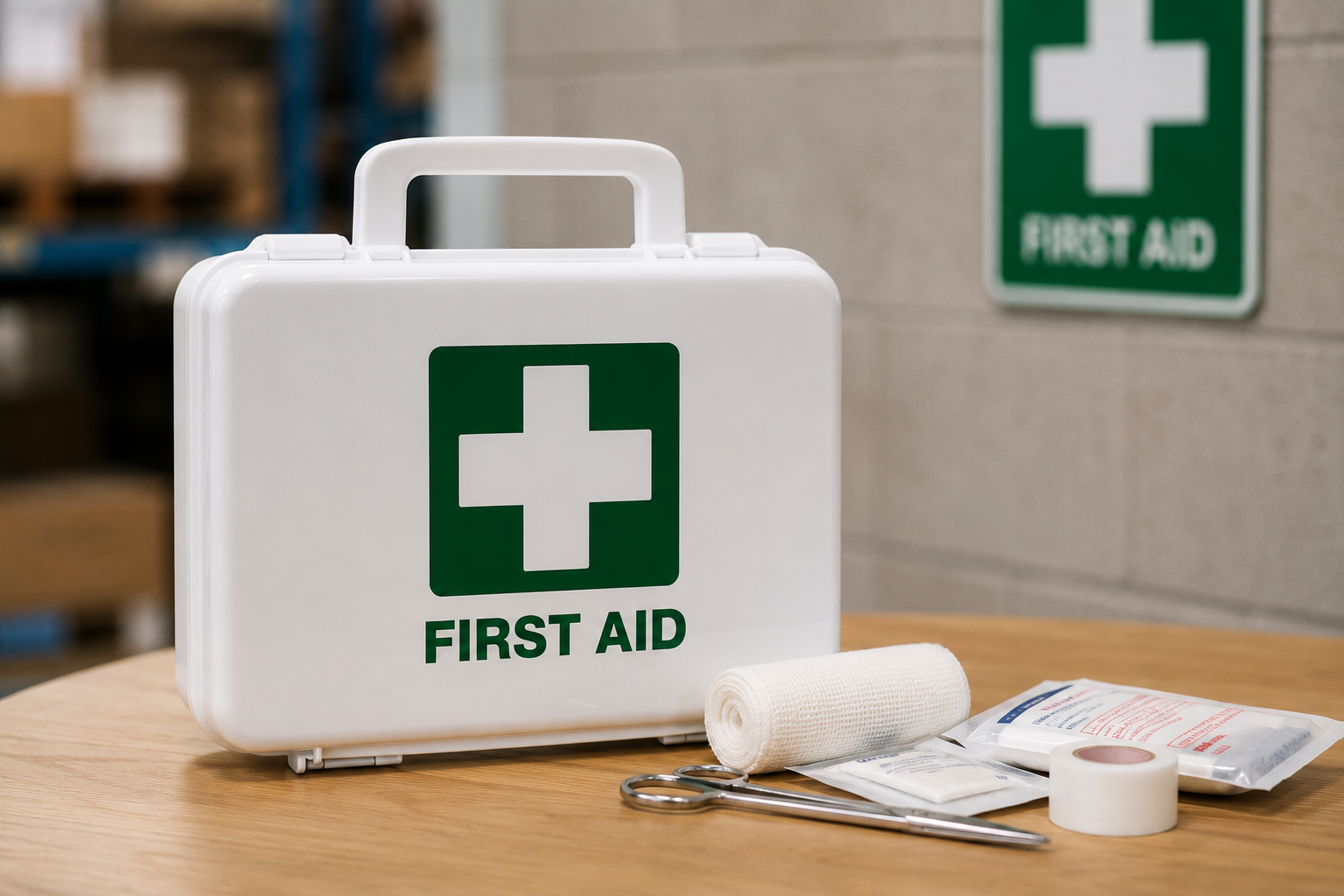
A workplace first aid kit should never be treated as a set-it-and-forget-it item. Supplies are frequently used, misplaced, damaged, or allowed to expire without anyone noticing. Regular inspections help ensure the kit contains the items employees need during an emergency while reducing delays when every minute matters.
The right inspection schedule depends on facility size, employee count, and workplace hazards. A busy warehouse may require more frequent checks than a small office, but every workplace benefits from a consistent inspection routine.
Recommended Inspection Schedule
|
Situation |
Recommendation |
|
Routine workplace |
Inspect monthly |
|
High-use or high-risk area |
Inspect weekly |
|
After any incident |
Restock immediately |
|
Expired supplies |
Replace during inspection |
|
Process or staffing changes |
Review kit contents |
What to Check During Each Inspection
✓ Verify all required supplies are present.
✓ Replace expired medications and sterile items.
✓ Remove damaged or contaminated products.
✓ Confirm the kit is clearly labeled and accessible.
✓ Record the inspection date and initials.
💡 Quick Tip: Assign one person or department ownership of every first aid kit to prevent missed inspections.
⚠ Common Mistake: Only checking the kit after an injury occurs. Instead, use a recurring inspection schedule so deficiencies are corrected before an emergency.
ℹ Did You Know? Many organizations include first aid kit inspections alongside fire extinguisher and eyewash station inspections to simplify safety audits.
Building a Simple Inspection Process
Create a written inspection checklist, assign responsibility, document every inspection, and immediately replace missing or expired items. If your facility adds new equipment, chemicals, or processes, review whether the existing kit still matches the risks employees face.
Facilities with multiple first aid kits should label each location and maintain separate inspection logs. This makes it easier to identify recurring issues and demonstrate a proactive safety program during internal or external audits.
Key Takeaway: Monthly inspections, immediate restocking after use, and documented maintenance are the foundation of an effective workplace first aid program.
Conclusion
A first aid kit should be ready long before an emergency happens. Regular inspections reduce the risk of missing supplies, expired products, and delayed treatment while helping maintain a safer workplace. By assigning ownership, following a documented schedule, and adapting kit contents as hazards evolve, organizations can keep their first aid resources dependable when employees need them most.
Consistent inspections also make purchasing more predictable by identifying commonly used items before inventory runs out.
Explore First Aid
Share:
Why Regular Glasses Aren’t a Substitute for Safety Glasses
7 Common Eyewash Station Mistakes That Put Employees at Risk