
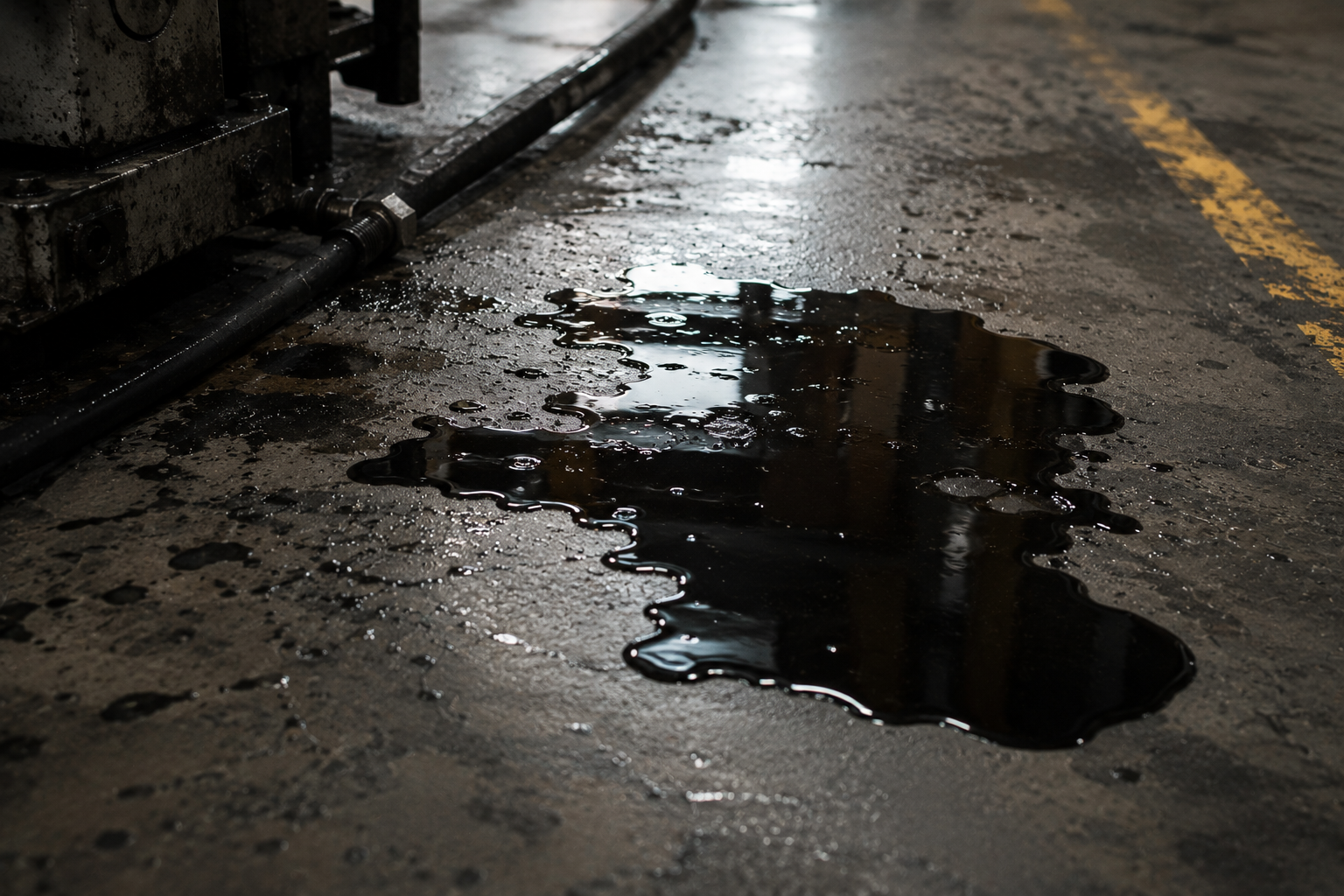
Spill kits are designed to provide the supplies needed to contain and clean up spills quickly. However, not every spill kit is designed for the same liquids. Choosing the correct type of spill kit can improve safety, reduce cleanup time, and help ensure a more effective response.
Understanding Universal Spill Kits
Universal spill kits are among the most common spill response solutions found in industrial facilities. They are designed to address a wide range of routine spills, including water, coolants, oils, lubricants, and many non-aggressive liquids.
Because they can handle multiple fluid types, universal kits are often used in warehouses, maintenance departments, manufacturing facilities, and distribution centers.
Understanding Oil-Only Spill Kits
Oil-only spill kits contain absorbents designed to absorb petroleum-based liquids while repelling water. This unique characteristic makes them especially useful outdoors.
Facilities that store fuels, lubricants, or petroleum products frequently rely on oil-only kits in areas where rainwater or standing water may be present.
Understanding Chemical Spill Kits
Chemical spill kits are intended for facilities that handle potentially hazardous chemicals. These kits typically contain absorbents designed for broader chemical compatibility and are commonly found in laboratories, chemical storage areas, and industrial processing environments.
How to Choose the Right Spill Kit
The most effective approach is to evaluate the liquids present in the area where the spill kit will be stored.
Questions to consider include:
• What liquids are used or stored nearby?
• Could spills occur indoors or outdoors?
• Are hazardous chemicals present?
• What size spill is most likely to occur?
Many facilities maintain multiple spill kit types throughout their operations to address different risks.
Frequently Asked Questions
Can one spill kit handle every spill?
Not always. Different liquids may require different absorbents and response materials.
Where should spill kits be located?
Spill kits should be placed near areas where spills are most likely to occur.
Do facilities need multiple spill kits?
Many facilities maintain different spill kits in different areas based on the materials present.
Explore Spill Control
Share:
Common Spill Control Mistakes That Cost Facilities Time and Money
Spill Pads vs Spill Socks vs Spill Booms vs Spill Rolls: What's the Difference?